

BECOME STRONGER
TONE THE BODY
AVOID INJURY
PROLONG PHYSICAL HEALTH
BECOME STRONGER
TONE THE BODY
AVOID INJURY
PROLONG PHYSICAL HEALTH
About Us
Tempo 301 is a results-driven fitness philosophy that puts sustainability at its core.
Our Reformer Pilates and H.I.I.T classes help you to become stronger over time – both mentally and physically. Visit us whether you are a beginner or advanced and enjoy a variety of classes to get you looking and feeling fitter for longer.
With an emphasis on controlled movements curated to music, Tempo 301 delivers mindful, low-impact strength-building workouts designed to tone the body, avoid injury and prolong physical health.
From strength-focused Tempo Pilates to fat-burning Tempo HIIT, you can expect challenging yet fun workouts led by our esteemed instructors who are dedicated to improving your physique one class at a time.
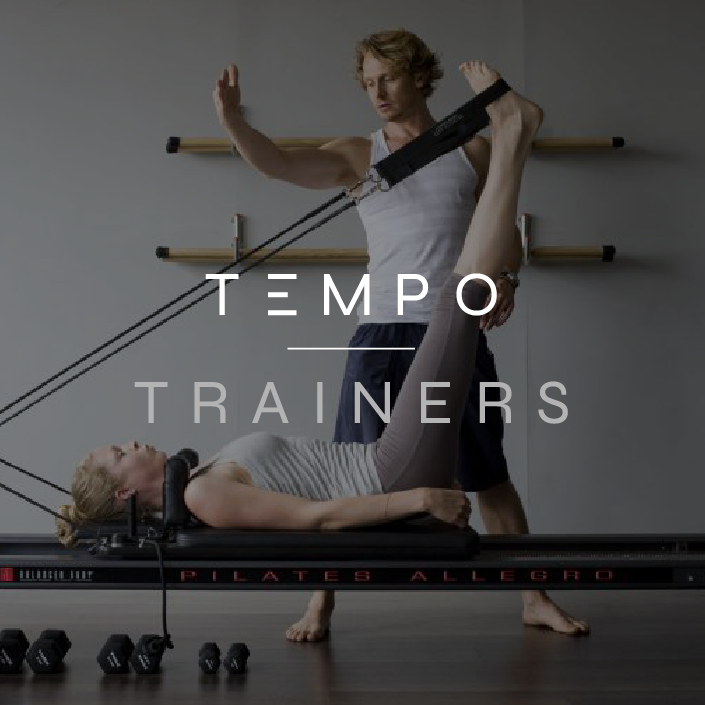
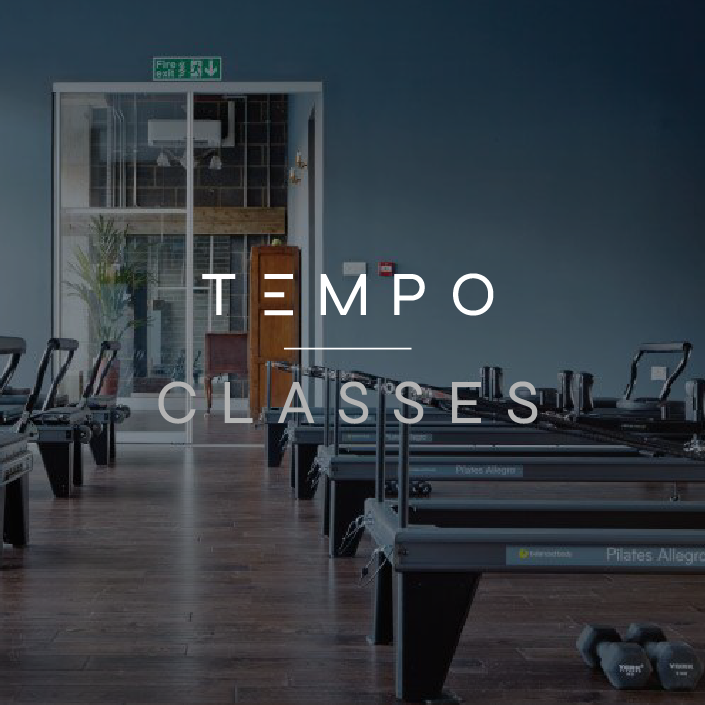
Tempo 301 is a London Pilates studio and HIIT studio that provides you with the tools you need to achieve long-lasting results, from shaped arms to muscle growth.
We offer a number of classes so that based on your individual experience and needs, we can offer you a variety of workouts to choose from. Reformer Pilates improves strength, flexibility and body alignment so that you can achieve lean muscles and a tighter core among many other benefits. HIIT offers many advantages, including increasing strength, burning a significant amount of calories efficiently and improving mental health.
Feel happier and healthier after every workout with Tempo 301, whether you prefer a Pilates class or HIIT class.